Getting Ahead of Seasonal Affective Disorder Before the Days Get Shorter

Seasonal affective disorder doesn't wait for the first gray day of November to make its arrival — and neither should you. Here's why late summer is actually the right time to start thinking about it.
It might feel strange to think about seasonal depression while the days are still long and warm, but that's exactly the point. Seasonal affective disorder (SAD) is a form of depression tied to the changing seasons, most commonly appearing in fall and winter as daylight hours shrink. Like most conditions in psychiatry, SAD responds better to a plan made in advance than a scramble once symptoms have already taken hold — and because it follows a predictable calendar, it's one of the few conditions where "getting ahead of it" is genuinely possible.
What Seasonal Affective Disorder Actually Looks Like
SAD isn't just "feeling a little down when it's cloudy." It's a recognized pattern of major depressive symptoms — low energy, oversleeping, carbohydrate cravings, difficulty concentrating, and a low mood that lingers — that reliably appears around the same time each year and lifts again as the seasons turn.
For many people, symptoms begin creeping in as early as September or October, well before winter officially arrives. That early window is exactly why waiting until you're deep into a low mood to reach out often means playing catch-up instead of staying ahead.
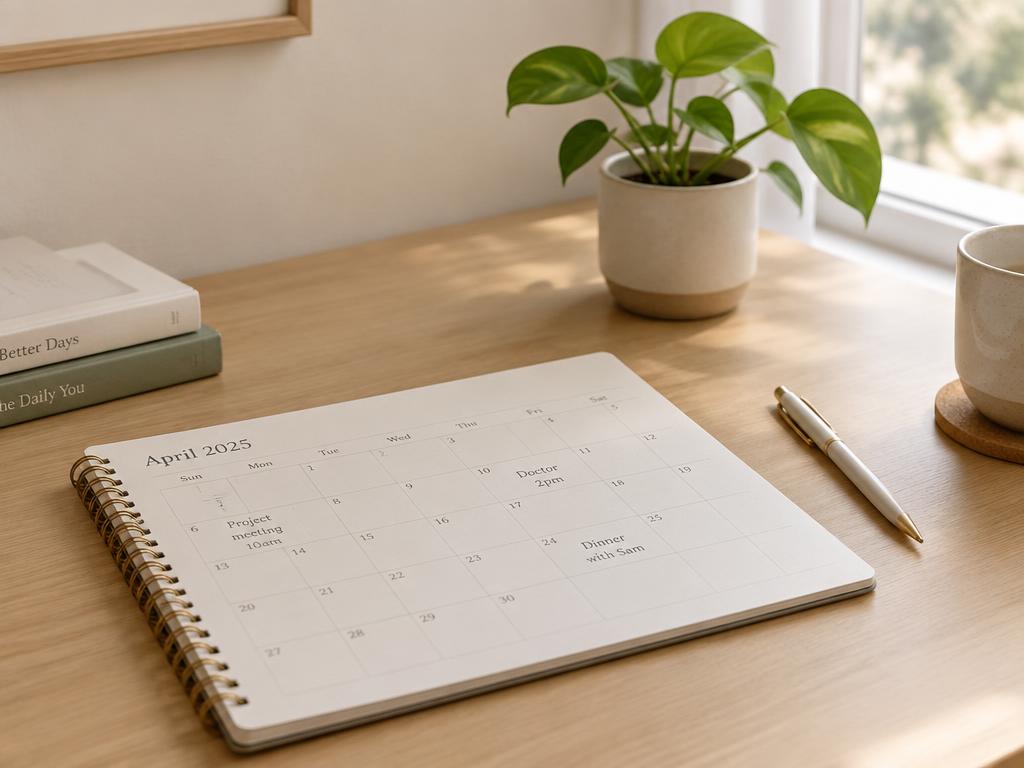
Why "Getting Ahead of It" Actually Works
Several of the most effective SAD treatments work best when started before symptoms peak, not after.
Light therapy, for instance, is generally more effective when a consistent routine is established early in the season rather than added reactively once mood has already declined. Similarly, if medication has helped in past years, many providers prefer to resume or adjust it before the seasonal dip begins rather than waiting for a crisis point. Starting early gives both approaches time to take effect before symptoms are at their worst, rather than trying to treat your way out of a depressive episode that's already underway.
Signs It's Worth a Proactive Conversation
Consider reaching out now, rather than in December, if any of the following sounds familiar:
- You've noticed a seasonal pattern to your mood in previous years, even if you never put a name to it
- You already know fall and winter tend to be harder for you
- A past diagnosis of depression seems to worsen predictably around the same time every year
- You simply want a plan in place before the time change and shorter days arrive, instead of trying to catch up once you're already struggling
What a Proactive Plan Can Include
Depending on your history and preferences, a seasonal plan might involve:
- Light therapy timed to start in early fall, before symptoms typically begin
- A medication adjustment scheduled ahead of the typical symptom onset
- A check-in appointment set for late September or October, rather than waiting until symptoms are disruptive
- Environmental and routine changes — like protecting morning light exposure and maintaining consistent sleep and activity patterns as daylight shifts
If you're already managing depression or anxiety, it's also worth mentioning any seasonal pattern to your provider directly — it can shape how your existing treatment plan is adjusted going into fall.
Frequently Asked Questions
You Don't Have to Wait Until You're Struggling
One of the most common things people say after a hard winter is, "I wish I'd done something sooner." Because SAD follows a predictable calendar, it's one of the few conditions in psychiatry where "sooner" is genuinely something you can plan for. If you have a seasonal pattern — or suspect you might — late summer and early fall are the ideal windows to put a plan in place before the days get short.
Mindful Psychiatry & Wellness offers telehealth evaluations and seasonal treatment planning across Nevada and California. Schedule an appointment before the season turns.
If you are experiencing a mental health crisis, call 911 or call/text 988 for the Suicide & Crisis Lifeline, available 24/7.
Ready to take the next step?
Schedule a consultation and start your journey toward wellness.