Can't Sleep? Understanding Insomnia — And How to Finally Get the Rest You Need
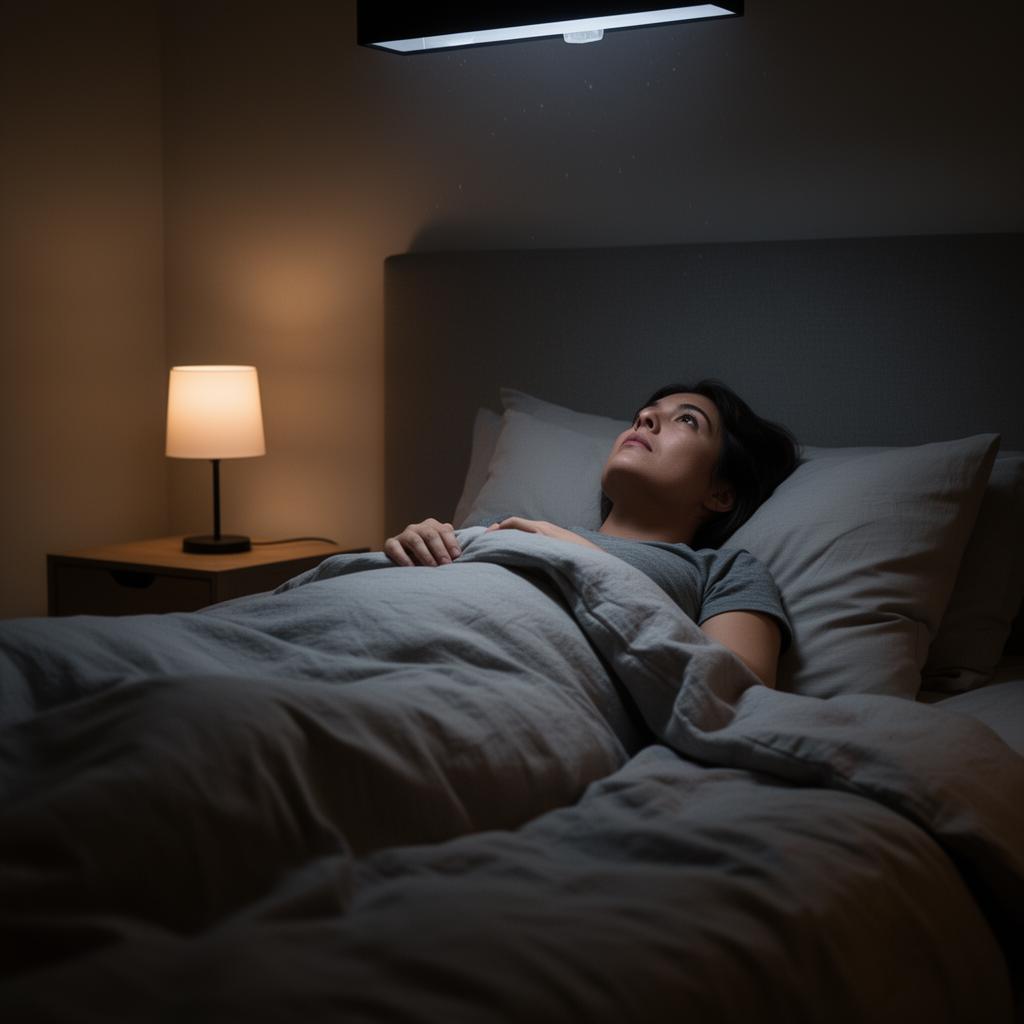
You're exhausted. You've been exhausted for months. But the moment your head hits the pillow, your mind activates — running through tomorrow's to-do list, replaying old conversations, wondering why you can't just fall asleep like a normal person.
You're not alone. Insomnia affects an estimated 10 to 30% of adults chronically. And while it feels like a sleep problem, it's often driven by something happening in your brain and nervous system — including patterns that have nothing to do with your pillow or your phone.
What Insomnia Actually Is
Insomnia is defined as difficulty falling asleep, staying asleep, or waking too early — at least three nights per week, for at least three months — despite having adequate opportunity to sleep, and causing significant distress or impairment. It is not just "bad sleep." It is a condition with identifiable mechanisms and effective treatments.
How Acute Sleep Problems Become Chronic Insomnia
Sleep difficulty often starts with a stressor — illness, a difficult life period, a change in schedule. But it becomes chronic through a set of maintenance behaviors that make physiological sense in the short term but reinforce insomnia over time: spending too much time in bed while awake, anxious monitoring of sleep, "trying harder" to fall asleep (which increases arousal), and restricting daytime activity out of fatigue.
The harder you try to sleep, the more alert your brain becomes. Breaking this cycle is at the heart of effective insomnia treatment.
What Actually Works: CBT-I
Cognitive Behavioral Therapy for Insomnia (CBT-I) is the gold-standard, first-line treatment for chronic insomnia — and research consistently shows it outperforms sleep medication both short-term and long-term, with no side effects and more durable results. CBT-I includes:
- Sleep restriction therapy — temporarily consolidating time in bed to build sleep pressure and break the cycle of lying awake
- Stimulus control — retraining your brain to associate the bed with sleepiness, not wakefulness or anxiety
- Cognitive restructuring — identifying and challenging unhelpful beliefs about sleep ("I need 8 hours or I'll fall apart")
- Sleep hygiene — addressing environmental and behavioral factors that interfere with sleep quality
- Relaxation techniques — reducing the physiological hyperarousal that keeps the brain in alert mode at night
Sleep Hygiene: The Basics That Support Treatment
- Keep a consistent wake time — even on weekends
- Limit caffeine after noon
- Create a 30-60 minute wind-down routine before bed
- Keep the bedroom cool, dark, and quiet
- Limit bright screens before bed — blue light suppresses melatonin
- Avoid alcohol close to bedtime — it fragments sleep architecture even when it helps you fall asleep initially
When to Involve a Provider

If you've been struggling with sleep for more than a few weeks, or if insomnia is significantly affecting your mood, focus, or functioning, it's worth talking to a provider. Insomnia is also frequently intertwined with anxiety, depression, and ADHD — and addressing the mental health piece is often essential to sustainable sleep.
You deserve real, restorative sleep. It's not out of reach — but it may require more than counting sheep.
Ready to sleep again? Schedule an evaluation or call (702) 608-7750. In-person and telehealth appointments available in Nevada and California.
Ready to take the next step?
Schedule a consultation and start your journey toward wellness.